We are often asked by prospective guests which retreat, teacher or style of yoga they would enjoy most. Our short answer would be that most retreat weeks are suitable for most people. Quality and experienced teachers are one key to great yoga holidays – their care and understanding should make their particular style accessible and enjoyable to all. Having said this certain styles and retreats may appeal to different people.
Ashtanga yoga is one of the most physically demanding styles of yoga. It is set sequences of poses, either led by the teacher or taught Mysore style. In the Mysore method everyone works through a set sequence in their own time holding each position for 5 breaths, receiving help from the teacher as needed. Ashtanga yoga retreats at Yoga Rocks are suitable for anyone, though it helps if you have a reasonable level of fitness. This style of yoga encourages fast physical changes and after a week here you will have a personal practice and the confidence to continue it at home. Some people love the physical nature of an Ashtanga retreat as by the time they have finished their morning practice they really feel they deserve making a holiday of the rest of the day on a beach with a book or in a hammock. Others if they don't soften the practice and approach it joyfully can find it a little over strenuous .

In 2013
Maria Boox teaches Mysore style here.
David Williams, who first took Ashtanga to the USA, teaches led Ashtanga in a way designed to make it a lifetime practice.
Danny Paradise will be teaching a more freestyle led class and he likes to include the Ashtanga pranayama (breathing) sequence.
Melanie Cooper also teaches Ashtamga yoga mornings in 2013. For more on this style and its founder Pattabhi Jois click
here.
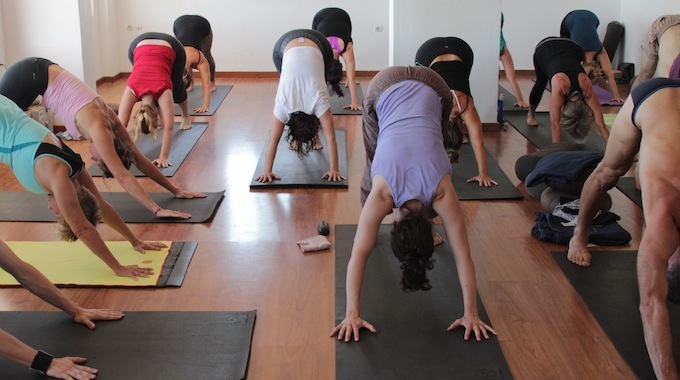
Vinyasa yoga owes its flowing movements supported by the breath to Ashtanga. Each Class is different and some people really enjoy the variety of yoga poses. Some teachers are very creative; others stick to more well known poses. Each pose has variations so that those who are more/less flexible or strong can benefit from going as far as they are comfortable with, in a safe way – it should be a fun, but challenging, yoga style.
At Yoga Rocks in 2013 we have
David Lurey and
Helen Reavill teaching vinyasa yoga, both have a very varied yoga back ground meaning that lots of different influences pop up in the flow. Over the course of a week’s retreat the focus of the classes can bounce between strong asana, restorative flow, pranayama and meditation techniques. Though the teacher leads the flow, it is often the needs of the individual groups that create it. Vinyasa builds strength and flexibility and suitable for those who are willing to move.
One popular form vinyasa flow yoga is Shiva Rea’s Prana Flow Yoga. This uplifting yoga works towards a free style flow which she calls trance dance. In 2013 we have
Simon Park leading a Shiva Rea Prana Flow teacher training module. One of the most respected and exciting Prana Flow teachers joining Yoga Rocks this year offering a teacher training retreat. The lovely
Coral Brown leads a Prana Flow retreat in June 2013.

Hatha yoga often refers to a gentler form of yoga. The postures are steadier and can be held a little longer while the emphasis is often on a more traditional Indian style of yoga. Those who are not so physically active often enjoy hatha yoga more. Though not as physically tough as some yoga, it reaches deep levels, gently opening you up physically and releasing stress from the body and mind. Hatha yoga is nice for those who want a gentle practice, be it beginners, or experienced yogis who know their body and mind will benefit from a softer practice. Everyone has something to gain by learning to relax in a good hatha pose – and this can sometimes only be learnt on a yoga retreat rather than in a yoga class squeezed between work and social commitments.

Sky teaches hatha yoga at Yoga Rocks in 2013. Sky and has a vast array of knowledge and yoga goodies he loves to share. His yoga is deeply rooted in traditional practice with real flair thrown into the mix.
Laura Gilmore will open the 2013 season with hatha yoga afternoons.
Iyengar Yoga gives much emphasis to the details and integrity of the poses. Often poses are held for a longer time and props are used instead of variations. We have no pure Iyengar teachers here though
Melanie Cooper will be exploring some afternoon Yin Yoga classes in her retreat here. Yin Yoga holds the poses for a very long time, so you have space to focus on alignment, allowing the body and mind to melt into deep hip openers and forward bends. It is very satisfying but also challenging as, a little like in meditation, you resist the urge to move.
Liz Warrington will lead a Scaravelli yoga retreat. A subtle and deep style of yoga that frees up the spine and invites transformation.
Acro Yoga is partner yoga and plays with the qualities of trust and reliance. The basics are not difficult so anyone can try and it feel s nice and looks good (!) – hence the photos and films all over the internet. If you want to try some acro yoga, whether you have done some before or not,
David Lurey’s retreat would be great week for you. He’s one of only a handful of level 2 Acro Yoga teachers in the world and likes to explore the fun of this style over a few afternoons on his yoga retreat here. It is quite a nice way to get to know the other guests a bit better so tends to lead to a very sociable retreat atmosphere and it is fun.
All of the above needs to be taken with a liberal pinch of salt. Great yoga is honest, sincere and heartfelt – these qualities make for special yoga holiday. There are many labels attached to the various yogas simply as a way to give people an idea of what to expect.
As we said at the beginning, the safe, supported and encouraging way our teachers lead you through the yoga is more important than the style, when it comes to having a great yoga retreat. Beginners, advanced pupils and teachers all attend most of the weeks. The calibre of our teachers mean other yoga teachers want to come to practice and learn more, but to come as a beginner is real a gift to yourself - you will learn so much.
One thing we have not touched on is other yogic activities like pranayama (yogic breathing exercises,) meditation, or chanting which can often be enjoyed here. While some teachers like to teach some meditation as a separate session, others simply encourage and show you how to find the meditative space within your yoga practice, while others weave a sitting practice into a class.

In the meantime if you have any questions about on specific retreats and what further yoga activities might be on offer please write and ask. Our teachers teach from their vast knowledge and personalities, some weeks are very much yoga holidays while other weeks are deeper yoga retreats that tend to the monastic. Neither is better - they are all good for some people at some time. Feel free to write, tell us about your yoga experience and what you are looking for and we'll help you pick a suitable week. Often the highly driven look for strenuous yoga when they'd benefit more from learning to relax in a more meditative class, while those that are more naturally meditative and relaxed could do with a more active class to light some fire inside them!
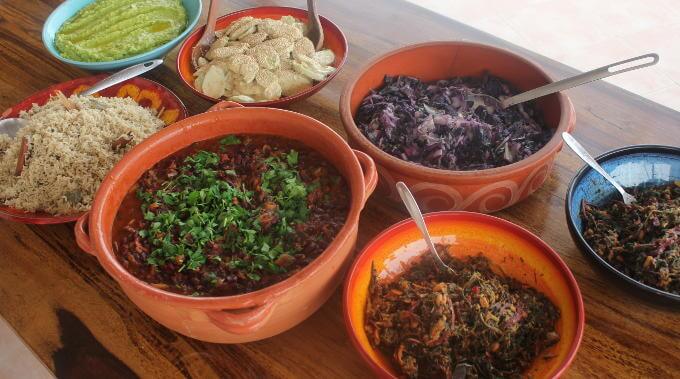
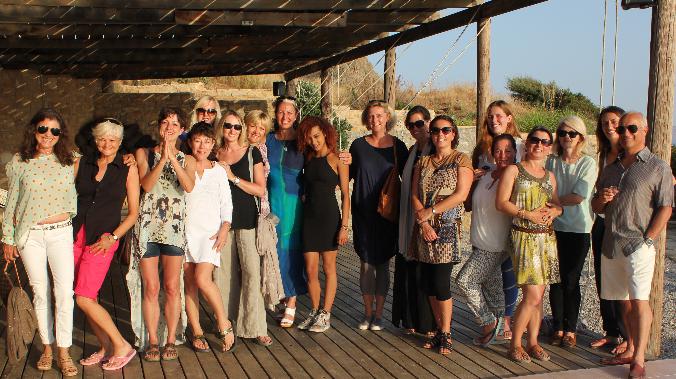
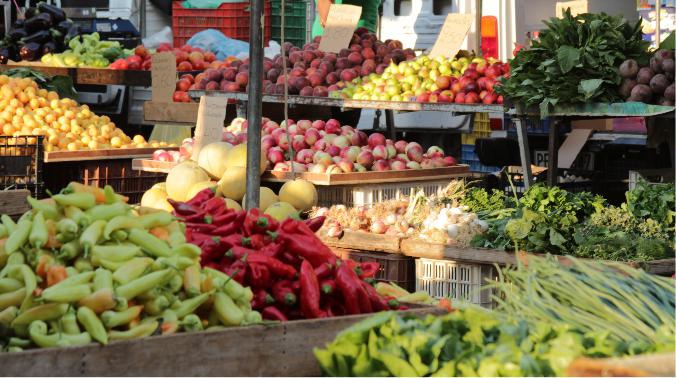
Finally we’d like to express that while the teacher is vital and the style may not be the most important thing, the biggest plus about Yoga Rocks yoga retreats is not one exclusive thing. It’s a combination of world class yoga teachers, the amazing natural energy in the beautiful environment, the locally produced tasty and nutritious bounty of food that is lovingly prepared and the caring atmosphere that we, our team and our teachers create all combining to make something very special. Hopefully, at some point in the future you’ll get the opportunity to experience one of our yoga holidays in 2013